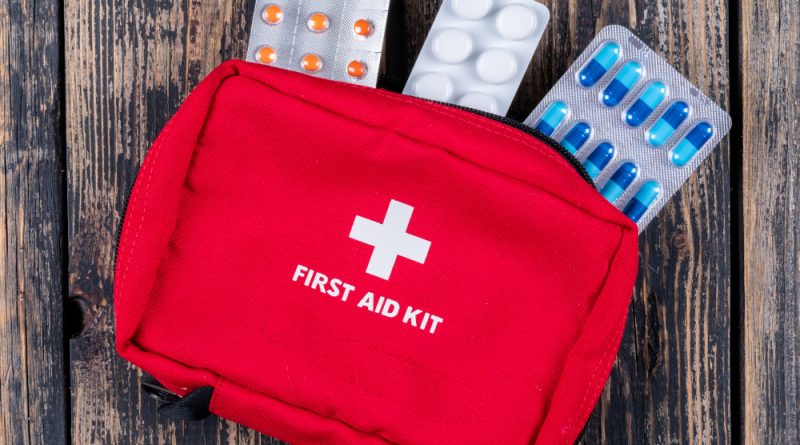
10 Common First Aid Mistakes People Make at Home
Accidents don’t announce themselves. A child falls while playing, someone cuts a finger in the kitchen, a family member gets a minor burn from a hot pan, or an elderly parent slips in the bathroom. In these moments, first aid becomes the first line of defense before professional medical help is available.
While most people have good intentions, many unknowingly make first aid mistakes that can worsen an injury, delay recovery, or even create additional health risks. Unfortunately, misconceptions passed down through generations and information gathered from unreliable sources often lead to incorrect treatment methods.
Knowing what not to do is just as important as knowing what to do. That’s why every household should not only have a well-stocked first aid kit but also understand the basics of proper first aid care.
In this guide, we’ll explore ten of the most common first aid mistakes people make at home and explain how following a proper first aid kit checklist can help you respond more effectively during emergencies.
Why First Aid Knowledge Matters
First aid is the immediate care provided to an injured or ill person before professional medical assistance arrives. Proper first aid can:
- Reduce pain and discomfort
- Prevent complications
- Minimize infection risks
- Speed up recovery
- Save lives in emergency situations
However, incorrect first aid practices can have the opposite effect. Small mistakes can turn minor injuries into major health concerns.
Let’s look at the mistakes many households unknowingly make.
Mistake #1: Applying Ice Directly to the Skin
When dealing with a sprain, bruise, or swelling, many people instinctively place ice directly on the injured area.
Why It’s a Problem
Direct contact with ice can damage skin tissues and cause ice burns or frostbite-like injuries.
What You Should Do Instead
Wrap the ice pack in a clean cloth or towel before applying it to the affected area. Use it for 15 to 20 minutes at a time and allow the skin to recover between applications.
First Aid Kit Checklist Item
✔ Instant cold pack
✔ Clean cloth or gauze
Mistake #2: Using Cotton Directly on Open Wounds
Cotton is often the first thing people reach for when dealing with cuts and abrasions.
Why It’s a Problem
Cotton fibers can stick to the wound, increasing the risk of irritation, contamination, and delayed healing.
What You Should Do Instead
Use sterile gauze pads or wound dressings specifically designed for wound care.
First Aid Kit Checklist Item
✔ Sterile gauze pads
✔ Adhesive dressings
✔ Medical tape
Mistake #3: Applying Toothpaste to Burns
This is one of the most widespread home remedies.
Many people apply toothpaste, butter, oil, or other household products to burns.
Why It’s a Problem
These substances trap heat within the skin and may increase tissue damage. They can also introduce bacteria into the affected area.
What You Should Do Instead
Run cool (not ice-cold) water over the burn for 10 to 20 minutes. Cover the area with a sterile non-stick dressing.
First Aid Kit Checklist Item
✔ Burn dressing
✔ Sterile non-stick pads
✔ Cooling gel (if recommended)
Mistake #4: Cleaning Wounds with Strong Antiseptics Excessively
Many people believe that pouring large amounts of antiseptic directly into a wound will speed healing.
Why It’s a Problem
Overuse of harsh antiseptics can damage healthy tissue and slow the natural healing process.
What You Should Do Instead
Gently rinse the wound with clean water or saline solution and use antiseptics as directed.
First Aid Kit Checklist Item
✔ Saline solution
✔ Mild antiseptic solution
✔ Sterile wipes
Mistake #5: Ignoring Small Cuts and Scratches
Minor injuries are often dismissed as harmless.
Why It’s a Problem
Even small cuts can become infected if not cleaned properly.
Bacteria can enter through tiny breaks in the skin, especially in kitchens, gardens, and outdoor environments.
What You Should Do Instead
Clean the wound, apply an antiseptic, and cover it with an appropriate dressing.
First Aid Kit Checklist Item
✔ Adhesive bandages
✔ Antiseptic wipes
✔ Sterile dressings
Mistake #6: Wrapping Bandages Too Tightly
Compression bandages are commonly used for sprains and swelling.
Why It’s a Problem
Excessive compression can restrict blood circulation, leading to numbness, tingling, discoloration, and discomfort.
What You Should Do Instead
Apply firm but comfortable pressure. Check circulation regularly and loosen the bandage if necessary.
First Aid Kit Checklist Item
✔ Crepe bandage
✔ Compression wrap
✔ Safety clips
Mistake #7: Tilting the Head Back During a Nosebleed
Many people still believe that leaning backward is the correct response to a nosebleed.
Why It’s a Problem
Tilting the head back causes blood to flow into the throat, which may lead to coughing, choking, or nausea.
What You Should Do Instead
Sit upright and lean slightly forward while pinching the soft part of the nose for about 10 to 15 minutes.
First Aid Kit Checklist Item
✔ Disposable gloves
✔ Tissues or sterile gauze
Mistake #8: Removing Embedded Objects from Wounds
If a piece of glass, metal, or another object becomes lodged in the skin, people often attempt to remove it immediately.
Why It’s a Problem
Removing embedded objects can increase bleeding and worsen tissue damage.
What You Should Do Instead
Leave the object in place, stabilize it carefully, and seek professional medical attention.
First Aid Kit Checklist Item
✔ Sterile gauze
✔ Medical tape
✔ Emergency contact information
Mistake #9: Not Replacing Expired First Aid Supplies
Many households have a first aid box that hasn’t been checked in years.
Why It’s a Problem
Expired products may lose effectiveness, and damaged packaging can compromise sterility.
In an emergency, missing or expired supplies can delay proper treatment.
What You Should Do Instead
Review your first aid kit every six months and replace expired or used items.
First Aid Kit Checklist Item
✔ Updated inventory list
✔ Replacement supplies
✔ Expiry-date inspection schedule
Mistake #10: Not Having a Complete First Aid Kit at Home
Perhaps the most common mistake is assuming that a few bandages and cotton rolls are enough.
Why It’s a Problem
Emergencies rarely happen when you’re prepared. Missing essential supplies can make it difficult to respond effectively.
What You Should Do Instead
Maintain a complete and organized first aid kit checklist that covers common household injuries.
Essential First Aid Kit Checklist for Every Home
A well-prepared first aid kit should include:
Wound Care Supplies
- Sterile gauze pads
- Adhesive bandages
- Medical tape
- Antiseptic wipes
- Cotton swabs
Injury Support Supplies
- Crepe bandage
- Compression bandage
- Instant cold pack
- Triangular bandage
Protective Equipment
- Disposable gloves
- Face masks
- Hand sanitizer
Emergency Tools
- Digital thermometer
- Scissors
- Tweezers
- Safety pins
Additional Items
- Burn dressing
- Saline solution
- Emergency contact list
- Prescription medications (if required)
Having these essentials readily available allows you to handle most minor household injuries safely and efficiently.
How Often Should You Check Your First Aid Kit?
Many people prepare a first aid kit once and forget about it.
Experts recommend checking your kit every six months to:
- Replace expired products
- Refill used supplies
- Inspect packaging integrity
- Update emergency contact information
Regular maintenance ensures your kit is ready whenever an emergency occurs.
Teaching First Aid to Family Members
A first aid kit is only useful if people know how to use it.
Consider teaching basic first aid skills to:
- Children
- Teenagers
- Elderly family members
- Caregivers
- Household staff
Simple knowledge can make a significant difference during emergencies.
Conclusion
First aid mistakes are surprisingly common, and many stem from outdated advice or misconceptions. From applying toothpaste to burns to wrapping bandages too tightly, these errors can delay healing and sometimes worsen injuries.
The good news is that most mistakes are easily avoidable with proper awareness and preparation. Maintaining a complete first aid kit, regularly checking supplies, and understanding basic first aid principles can help protect your family when accidents happen.
Remember, effective first aid isn’t about doing more. It’s about doing the right thing at the right time.
A well-stocked first aid kit and the knowledge to use it properly can make all the difference when every second counts.
Frequently Asked Questions (FAQs)
1. What should be included in a basic first aid kit checklist?
A basic first aid kit checklist should include bandages, sterile gauze, antiseptic wipes, medical tape, disposable gloves, a thermometer, scissors, tweezers, and a crepe bandage.
2. How often should I replace items in my first aid kit?
You should inspect your first aid kit every six months and replace expired, damaged, or used items immediately.
3. Why shouldn’t I apply toothpaste to a burn?
Toothpaste can trap heat in the skin, increase irritation, and raise the risk of infection. Cool running water is a safer option for initial burn care.
4. Is cotton suitable for treating open wounds?
Cotton is not ideal for open wounds because fibers can stick to the injury and interfere with healing. Sterile gauze is a better choice.
5. Why is a first aid kit important at home?
A first aid kit helps you respond quickly to injuries, reduce complications, manage emergencies effectively, and provide immediate care before professional medical help arrives.

